In the world of corporate mobility, ensuring safety, efficiency, and seamless operations requires more than just hardware—it demands intelligent software that powers real-time monitoring, decision-making, and intervention.
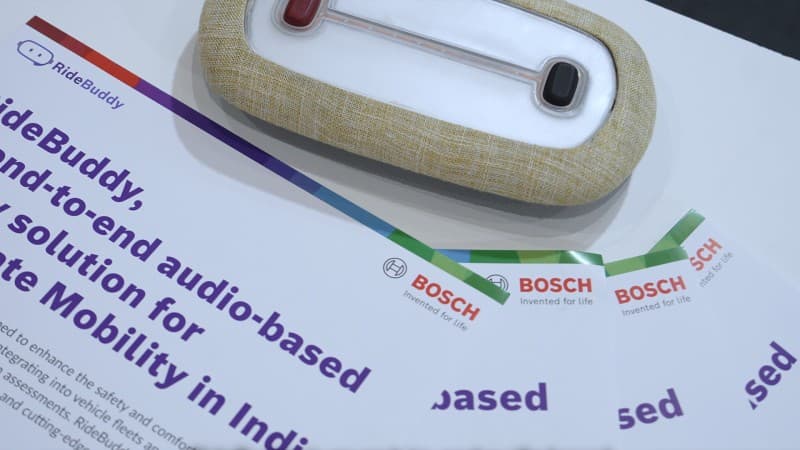
The software behind RideBuddy is the backbone of its functionality, enabling transport teams to enhance passenger safety, improve driver behavior, and optimize fleet operations.
From an initial concept to a refined, market-ready solution, RideBuddy’s software has undergone a remarkable evolution. This journey has been driven by continuous learning, technological advancements, and real-world feedback, shaping it into a reliable, scalable mobility solution.
The Evolution of RideBuddy’s Software
1. Prototype Development: Establishing the Foundation
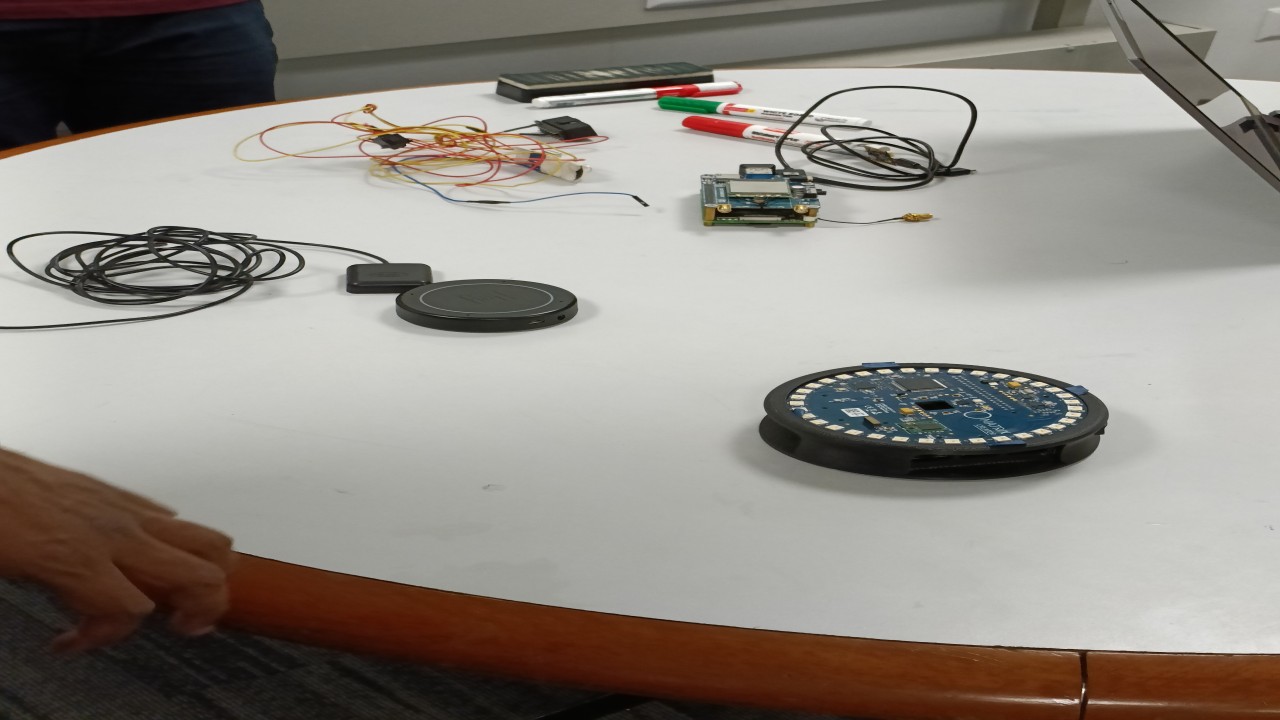
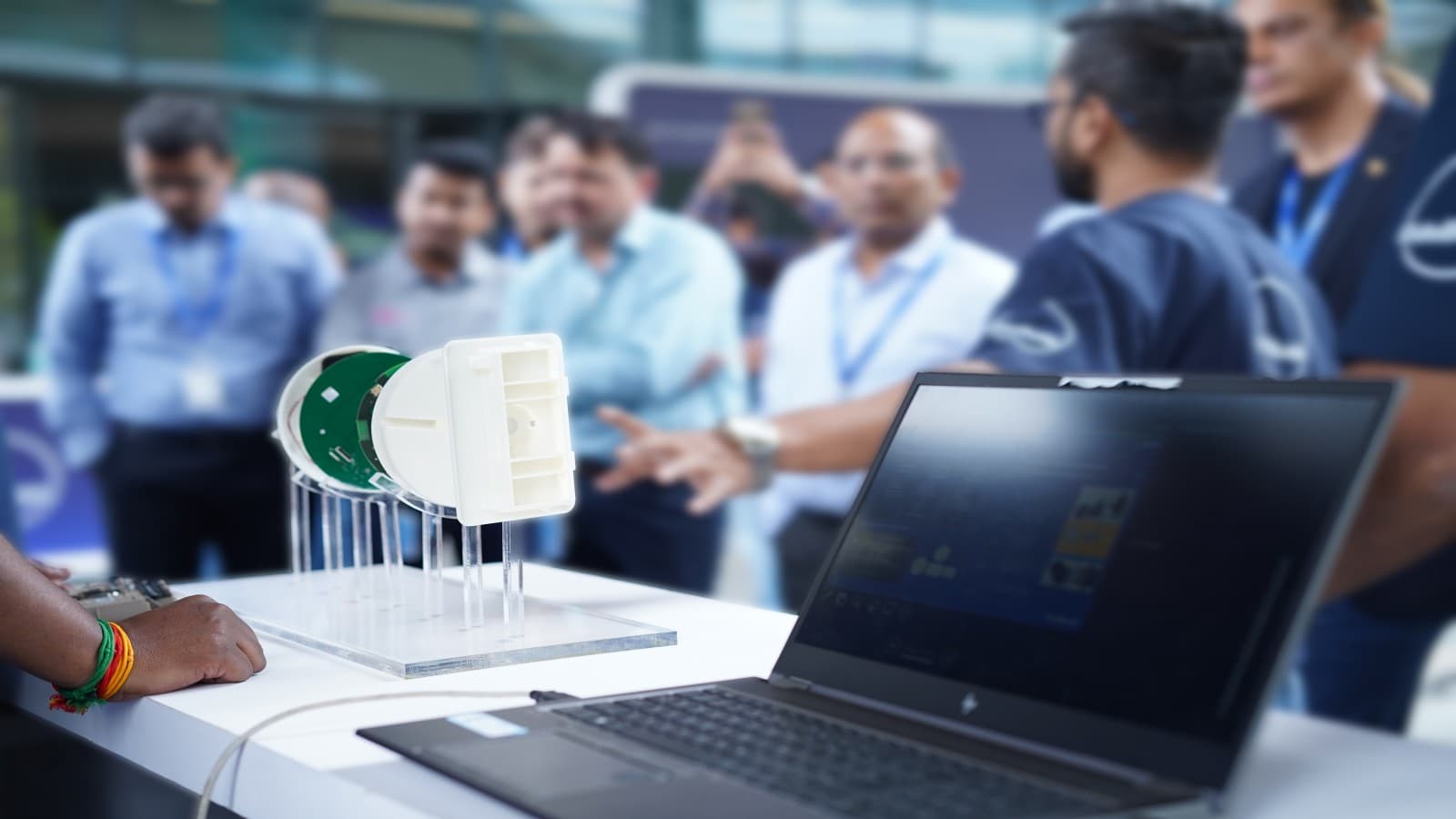
RideBuddy’s software journey began with a prototype built using a Raspberry Pi connected to the AWS Cloud. This early version was crucial for testing core functionalities, such as audio processing, GPS tracking, and sensor data integration. These trials laid the groundwork for understanding system capabilities and identifying key areas for enhancement.
2. Transitioning to an Android-Based System
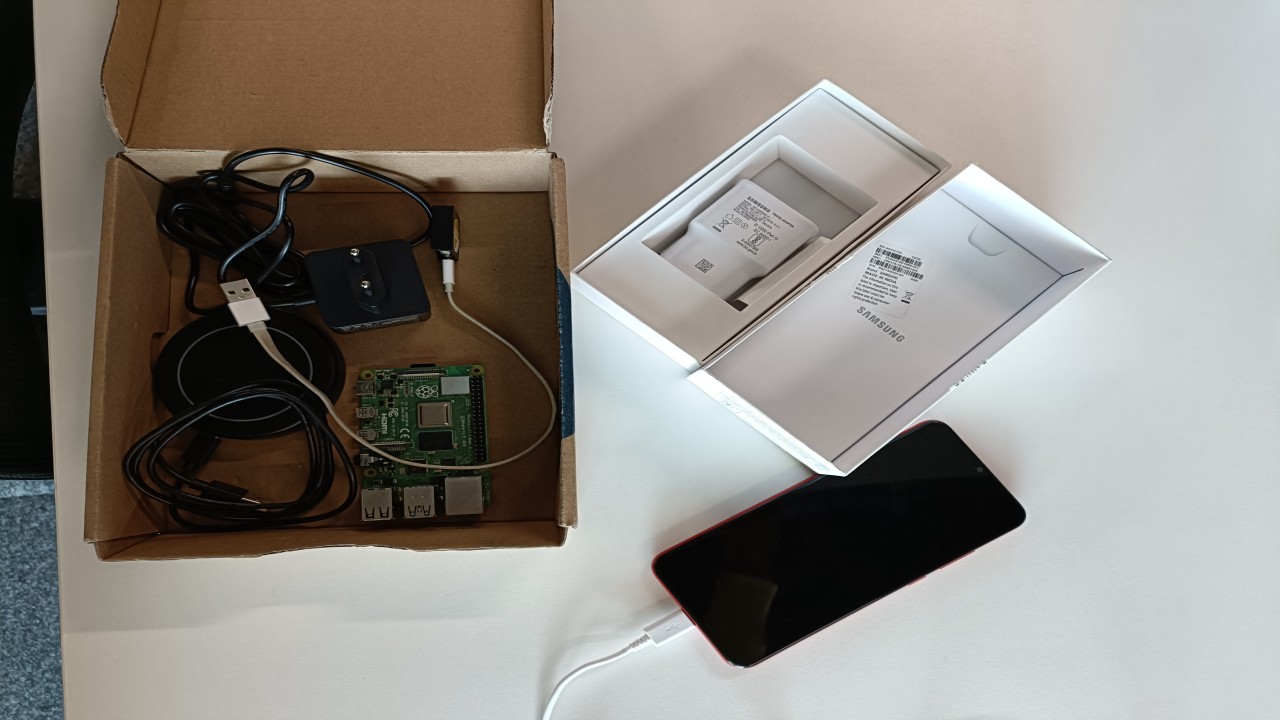
Building on the prototype’s learnings, the next phase saw RideBuddy’s transition to an Android-based system. This enabled real-time data processing, allowing for the introduction of key features like Broadcasts and Announcements. These improvements ensured more efficient communication between transport teams and fleet operators.
3. Advancing to an Integrated Onboard System
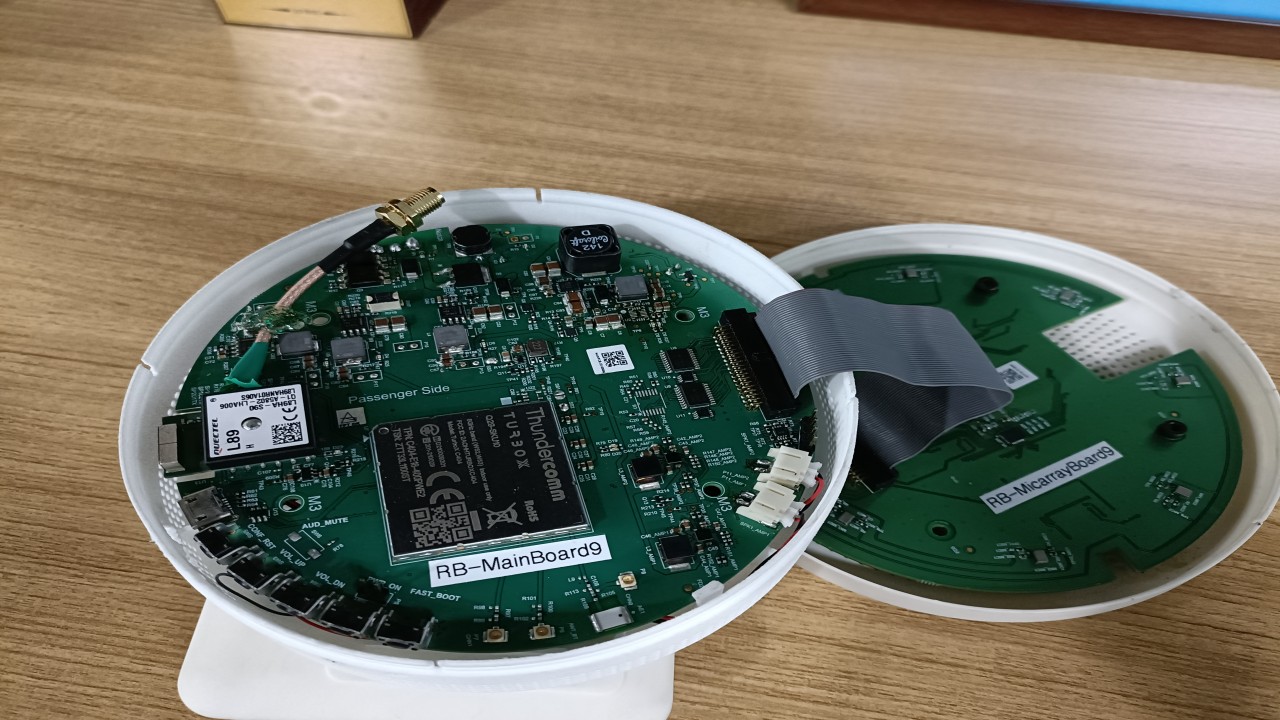
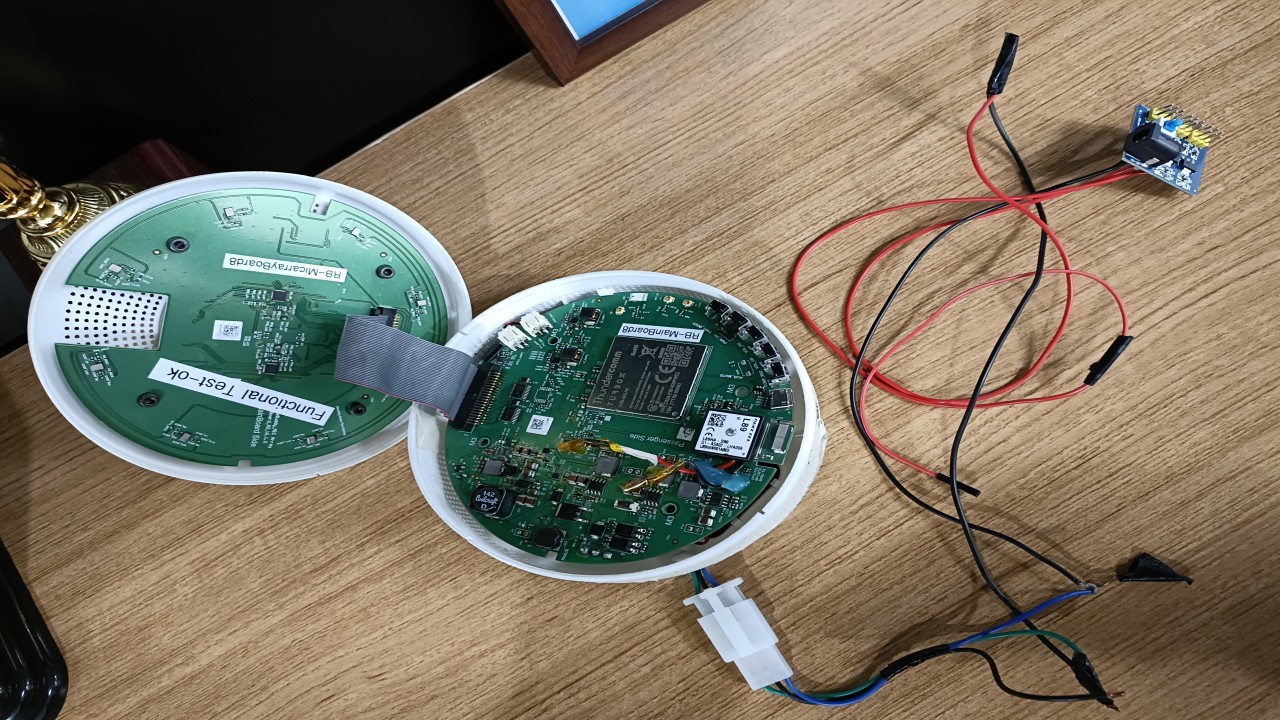
Feedback and real-world testing highlighted the need for a more robust and secure system. The Android-based setup was replaced with an advanced onboard processing system, improving response times, reducing security risks, and enhancing overall device performance.
Key Software Features Powering RideBuddy
1. Driver Monitoring System (DMS)
Safety remains a top priority in corporate mobility. RideBuddy’s Driver Monitoring System (DMS) leverages advanced algorithms to detect driver fatigue and distractions. By providing real-time alerts, this feature helps mitigate risks and ensures a safer travel experience.
2. Rash Driving Detection and SOS Optimization
To enhance road safety, RideBuddy’s software incorporates real-time rash driving detection. This system identifies erratic driving patterns, enabling transport managers to intervene promptly. Additionally, the SOS function has been fine-tuned for faster response times, ensuring immediate assistance in emergencies.
3. Enhanced Board Design and Software Refinements
Hardware-software integration has been a critical aspect of RideBuddy’s evolution. Improvements in board design have led to reduced power consumption and smoother performance, while transitioning from Android-based systems to an integrated onboard device has eliminated dependencies, ensuring faster and more secure data processing.
Overcoming Challenges: A Learning Process
Every technological journey comes with challenges, and RideBuddy’s software development was no exception. Key hurdles included:
Hardware Dependencies: Close collaboration with the hardware team ensured seamless integration, optimizing both software efficiency and device performance.
Manual Updates: Initial versions required manual software updates, which have now been replaced with Over-the-Air (OTA) updates for remote deployment and greater scalability.
Database Optimization: Transitioning from a tabular SQL database to MongoDB allowed for more flexible and dynamic data handling, better suited to the evolving needs of corporate mobility.
The Road Ahead: Future Enhancements
The journey doesn’t stop here. RideBuddy’s software team is actively working on:
1. Enhanced Security: Implementing role-based access controls for improved data protection.
2. Crash Detection: Introducing advanced crash detection mechanisms for faster emergency response.
3. Scalability: Expanding features to serve a broader range of mobility applications, from corporate fleets to shared mobility platforms.
Shaping the Future of Mobility
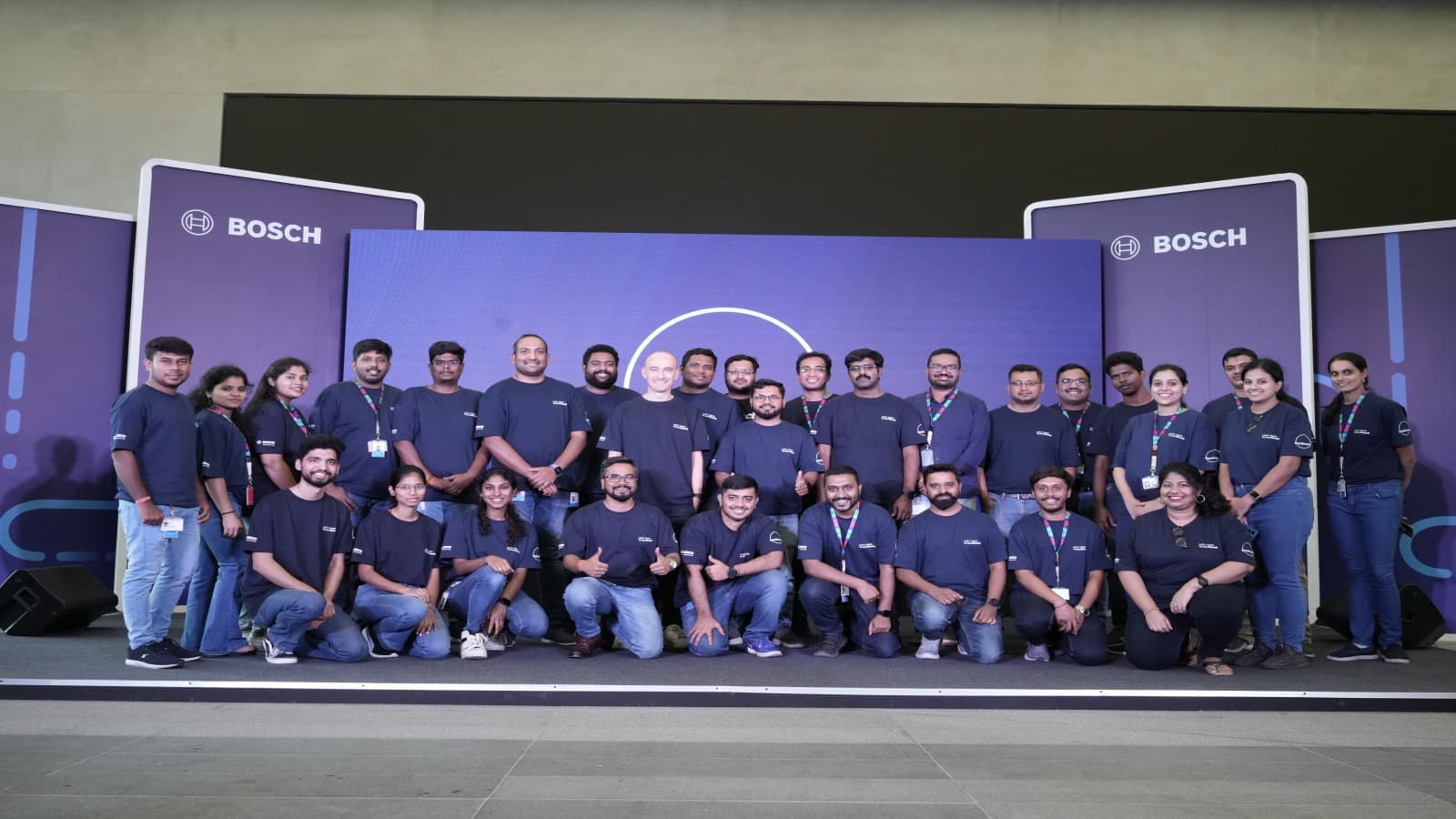
RideBuddy’s software development journey is a testament to Bosch’s commitment to innovation and excellence in mobility solutions. Through iterative improvements, real-world testing, and user-centric design, RideBuddy continues to redefine how transport teams manage safety and efficiency in corporate mobility.
With each enhancement, we move closer to a smarter, safer, and more connected future for mobility.